Why Non-Toxic Fly Control Matters for Farms and Families
10.12.2024 / Safety
For decades, the default response to fly problems around homes and farms has been simple: spray more chemicals. But growing awareness of health, environmental, and resistance issues has pushed many families and producers to look for safer options. Non-toxic fly control is no longer a niche idea—it is quickly becoming the new standard.
Chemical Sprays: Quick Results, Hidden Costs
Traditional aerosols, foggers, and residual sprays can kill flies quickly, but they also introduce new risks:
- Residues on surfaces where children and pets play
- Exposure for livestock, especially in enclosed barns or stables
- Impact on beneficial insects such as bees and predators
- Potential contribution to chemical resistance in insect populations
Families and Pets Deserve Safer Environments
Outdoor spaces are meant for relaxation, not chemical exposure. When sprays are used around patios, gardens, and entryways, it becomes difficult to control where residues end up.
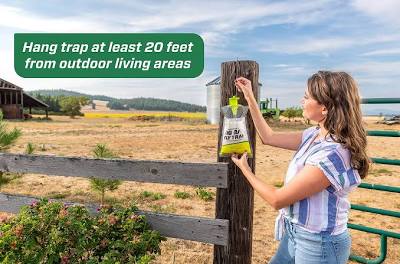
Non-toxic traps like RedTop offer an alternative that keeps control points away from people:
- They attract flies to a dedicated trap zone.
- They rely on food-based lures, not airborne toxins.
- They can be placed downwind and away from seating or play areas.
Protecting Livestock and Animal Welfare
On farms, flies are more than a nuisance. They create constant stress, spread bacteria, and can reduce feed efficiency and weight gain. While some chemical treatments have their place under veterinary supervision, overuse can cause new problems:
- Residues in animal housing and bedding
- Potential contamination of feed or water
- Reduced effectiveness over time as flies adapt
Non-toxic trapping systems reduce fly pressure without adding chemical load to the animal environment, making them ideal for long-term background control.
Environmental Responsibility
Every farm and household is part of a larger ecosystem. Repeated application of broad-spectrum insecticides can affect non-target species, contaminate soil or water, and unbalance local insect communities.
RedTop traps focus specifically on nuisance flies, using a mechanical and biological approach. There is no airborne chemical drift, and no risk to pollinators such as bees and butterflies.
No Resistance, Just Physics and Biology
Chemical resistance happens when a small percentage of insects survive treatment and pass on tolerant traits. Over time, products that once worked well become weaker.
Traps work differently. Flies are not poisoned—they are attracted, captured, and physically removed. There is no active ingredient for them to 'learn' to resist. This makes non-toxic trapping a powerful tool in resistance management strategies.
Building an Integrated, Safer Fly-Control Plan
The most sustainable approach to fly management is integrated:
- Good hygiene and manure management
- Elimination of standing water and breeding sites
- Strategic use of non-toxic traps like RedTop
- Targeted, minimal chemical use only when truly required
Non-toxic fly control is ultimately about peace of mind. It allows farms and families to manage a serious problem without feeling forced into constant chemical exposure.
